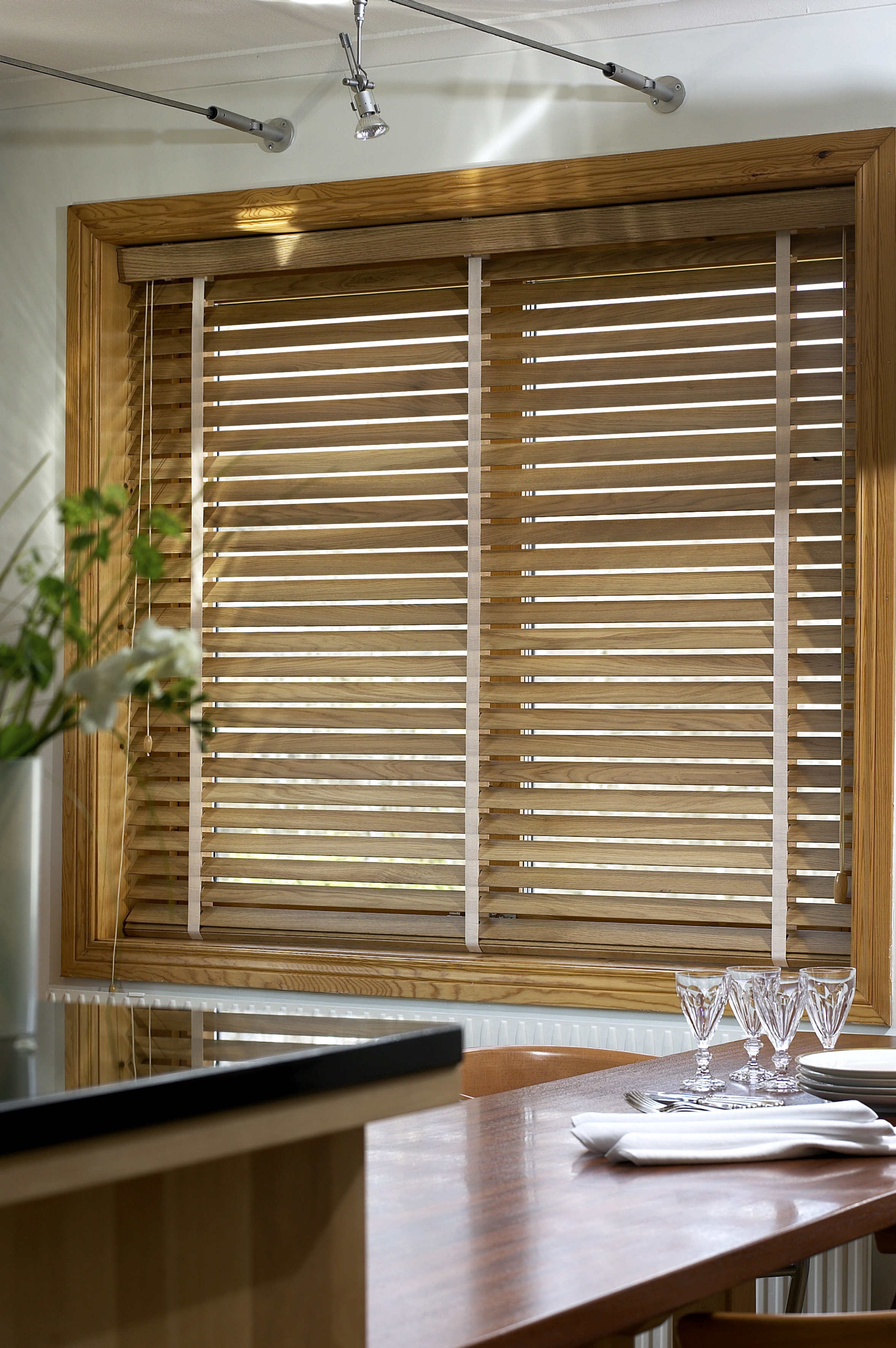
The Australian Homeowner's Guide to Perfect Blinds
Built For Your Backyard What Is The Reason? Your Climate Will Determine Your Blind ChoiceAustralia is home to a range of climates. The dry heat and saturated humidity of Cairns during the wet season are very different from the baking, drying heat of Alice Springs. It's not just an issue for forecasts of weather, it's the biggest aspect to consider when choosing window furniture. Blinds that are selected based on a photo in a catalog, with no a forensic consideration for your local environmental conditions, is a shortcut to premature fading, warping corrosion, and even failure. Blinds should be as durable as your lifestyle; they must be specifically engineered for the particular requirements of your area.
Failure mechanisms are inflexible and distinct. In humid tropics, subtropics and Northern NSW of Queensland, the enemy in the air is humidity. It's a constant high-humidity, high-humidity force which gradually and steadily increases. It seeks the organic material causing the wood slats that haven't been treated for expansion, stretch or bind. It encourages mould and mildew to bloom on natural fabrics, such as linen or cotton which can cause smells and stains. Even the metal parts of chains, cords or headrails may become rusty and creepy in the absence of a proper coating. In this case, resistance has to be obtained through the use of inert synthetic materials.
Blinds must be constructed from modern composites and polymers. Venetian blinds in PVC (vinyl) as well as faux-wood are excellent for humid zones. They are made from non-porous material that does not absorb moisture. They are not susceptible to warping or the growth of microbial organisms. Aluminum Venetians coated with powder are a good choice for a modern appearance that is free of rust. For more soft styles, turn to synthetic fabric roller or Roman blinds made of solution dyed acrylics or polyesters. These fibers are naturally resistant to resistance to moisture and they are often treated with antimildew substances. Natural fibres, including natural fibres and unlined timber are not recommended unless they're used for purposes that require high levels of humidity.
In the arid and hot interior of Australia that extends from Broken Hill and parts of Western Australia there is a constant bombardment of UV radiation that reduces the humidity of the air along with massive daily changes in temperature. Here, the sun can do more than simply illuminate the room. It also chemically degrades the material. Fabrics can fade, plastics may become brittle, and the constant expansion of temperatures that are cold to hot can cause mechanisms and fittings to stress. In this environment, UV stability is the paramount concern.
Materials engineered to be solar resilient should be given priority. For indoor usage, however outdoor-rated fabrics are a smart investment. These fabrics are constructed of yarns that have been dyed with a solution (often sold under the brand name Sunbrella) and the color has been integrated into the polymer. The result is that they are very resistant to fade. Blinds made of rollers that have a UV-protective coating are essential not only for the furnishings, but also for the blind's own longevity. Aluminum slats can be used, however, make sure that all the components made of plastic are UV stabilized grades. Here, the subtle issue is color choice. Colors that are darker absorb more heat in intense sunlight, and they can degrade faster. Lighter tones reflect heat more effectively and keep their appearance for longer.
Another zone is the coastal region, which is a small area of densely populated land where an amalgamation of dust and salt sprays fills the air. The corrosive character of the conditions can cause metals to degrade quickly. A typical roller blind made of metal or aluminum slat with an inferior coating is likely to display signs of pitting as well as chalky, oxidised finishes. The gentle abrasive action of sand, blown in the breeze, is utilized to microscopically polish surfaces.
The specifications for coastal properties have to be abrasive. Any metal component that is tilt-wands, such as the headrail and headrail, must be constructed of marine-grade stainless steel or aluminium. Look for "coastal" and "salt air-friendly" ratings. This typically means that the fittings underwent special anodising procedures or coatings (like pigment coatings made for marine use) in order to withstand tests in salt air. PVC Acrylic fabric, PVC and composite “faux wood” all can withstand salty air. For a rust-free wall, you should only use stainless steel installation screws or anchors.
Alongside these broad zones, microclimates play a significant role. Melbourne's south-facing balcony is subjected to damp and cool conditions. Adelaide's west-facing window receives an intense afternoon sun. This is when the value of a local expert provider becomes invaluable. They are aware of what works in your region and also what doesn't. They will tell you the powder coat of which brand holds well in Bribie Island, or which fabric blend has held up to Perth's sun better than others.
Engage them with specific, location-based questions: "I'm three streets back from Sorrento's beach. Do I require the entire marine-grade fabric?" What is the highest TSER fabric (Total Solar Energy Resistant) you offer that guarantees colourfastness for my west-facing Sunroom in Penrith? The answer they provide must be based on the local experience and not an online sales brochure.
Looking at your blinds within the context of climate suitability will ultimately give you long-term peace of mind and value. This is the main difference between blinds that are merely a decoration for your home and those that are durable, integral parts of the. Modern materials science have been designed to meet the Australian requirements of the environment. When you purchase a blind designed for your backyard, it's not simply a window treatment. You are investing in a product which is beautiful, will perform effortlessly and serve its purpose year after year without compromising to the elements it was created to filter. It's the most practical way to think about design - beauty built for your home. Have a look at the best blinds for blog tips including direct online blinds, blinds prices, all the blinds, city blind, blinds custom, all the blinds, aq blinds, call blinds, blinds place, city blind and more.

How To Verify Your Blind Provider Beyond The Brochure With The Trust Metric
You are buying more than a blind in the Australian market. You make a promise. This is a guarantee that the measurements are precise and that the installation is flawless, and that your motor will be hum for a long time, and if you encounter a problem we will fix it with no hassle. Even though the fabric that you are holding is real but it's not only about the material itself. It's as much about service, knowledge integrity, trustworthiness, and much more. The credibility of the company is what you need to concentrate on before even discussing fabric. In an area where the true cost of a wrong is a badly fitted blind, or one that doesn't perform, or a few days of frustration, the reputation of your supplier is crucial.
The modern consumer is influenced by online reviews. But, they must be scrutinized for accuracy, not by looking at the stars. A perfect 5.0 review with just two reviews can be as suspect as an average score. Look for volume and patterns across multiple platforms--Google My Business, ProductReview.com.au, and Facebook. Take a look beyond glowing reviews. Take a closer look at the 3 and 4 star ratings, and most important, how the vendor responds to criticism. Here is where the character of the vendor is revealed. Do they blame themselves and react defensively or do you see they address the issue with a detailed solution? Publicly committing to solve the issue shows the company's accountability. It is important to look for praise that is specific to your concern: "Their installation, Mark was extremely meticulous and cleaned up the area flawlessly," or "They dealt with a manufacturing delay in a manner that was transparent and kept me informed." This kind of feedback is valued at more than 100 "Great job!" comments.
However, digital reputations can be built. In this scenario, time is an important and powerful old-world measure. You can count on a local provider who has served many generations of homeowners, negotiated various economic cycles, and has been capable of adapting to changes in safety standards. Ten or fifteen years in operation, it is clear that they have dealt with the multitude of issues that arise--the incorrect fabric being shipped from the warehouse and the window that was not square and the motor that broke down--and they have devised systems to avoid them. They have likely established close, personal relationships with manufacturers, giving an advantage on warranty claims as well as access to high-quality components. The fact that the company has been operating for quite a while is a testament to their dedication to the area. They cannot afford to do an unprofessional job and rebrand next year.
It is then time to take the next most important step: reviewing their portfolio. A trustworthy company will provide examples of their work, and not just from a national catalogue but also from homes in the local area. Contact them directly "Can you give me examples of the blinds you've put in on old-fashioned windows that are similar to mine?" You could also ask: "Does anyone have pictures of your motorised system installed in a contemporary open-plan area?" Their ability to produce these shows a track record of execution. Find out if they could arrange a visit to the completed work, or give contact details of a previous customer. Due diligence cannot be replaced by looking at and inspecting the work in progress, or by hearing from homeowners about the procedure. The conversation shifts away from hypothetical promises to actual results.
A live audit is included in your personal consultation. The process followed by a reputable service is not transactional. They should be asking as many questions as they are able to answer, including about the layout of your home as well as your routines daily, concerns about children or pets, and your long-term goals for the space. If you're looking for more than one window, the company must insist on visiting your house to measure. The process of measuring from an outline can result in devastating results. They must provide a thorough estimate that outlines the costs of the supply, measurement, installation the window, and any other things, such as safety devices for children or custom brackets. A vague quote is a red signal.
Be deeply wary of the "too-good-to-be-true" quote. The blinds market is dominated by a large number of operators who compete purely on cost. They usually make use of inferior imported blinds without stock in the country, subcontract installation and offer warranties that are difficult to keep in force. The real cost is discovered in the future, when blinds begin to fade within a year or motors break outside of the return time, and an installer leaves a mess, never answers the telephone or does not provide a warranty. A reputable seller's prices reflect the local wage, quality Australian-compliant materials, and the cost of maintaining a physical presence.
Ultimately, choosing the right blinds provider in Australia is a test in risk mitigation. The custom-made blinds you choose will be an important part of your property. The supplier's name can be a sign of their past conduct. This is the best method to know what they will do to you. You can trust that they will install carefully, measure twice, and stand behind their work. In today's digital world and the gig-economy, a local and trusted supplier offers something of value that is a guarantee. You can be assured that your stunning brochure blind will remain a durable fully functional in your home. This peace of mind is the most important and most important element on any quotation.